
It is 4 AM, and somewhere behind the industrial walls, a staggering amount of precision is being poured into something that will be completely reduced to crumbs by the end of the day.
There is a specific kind of madness in building a masterpiece solely for its own destruction. In Tibetan Buddhism, monks spend weeks bent over tables, placing millions of colored grains of sand to form a complex mandala. The second the final grain is placed, they sweep it all away. It is an exercise in non-attachment; a radical, almost violent embrace of impermanence, a profound practice completely removed from the machinery of the modern world. Yet, the most grounding spaces in a city, the neutral, shared rooms built explicitly to force a pause, operate on this exact cycle of deliberate ruin.
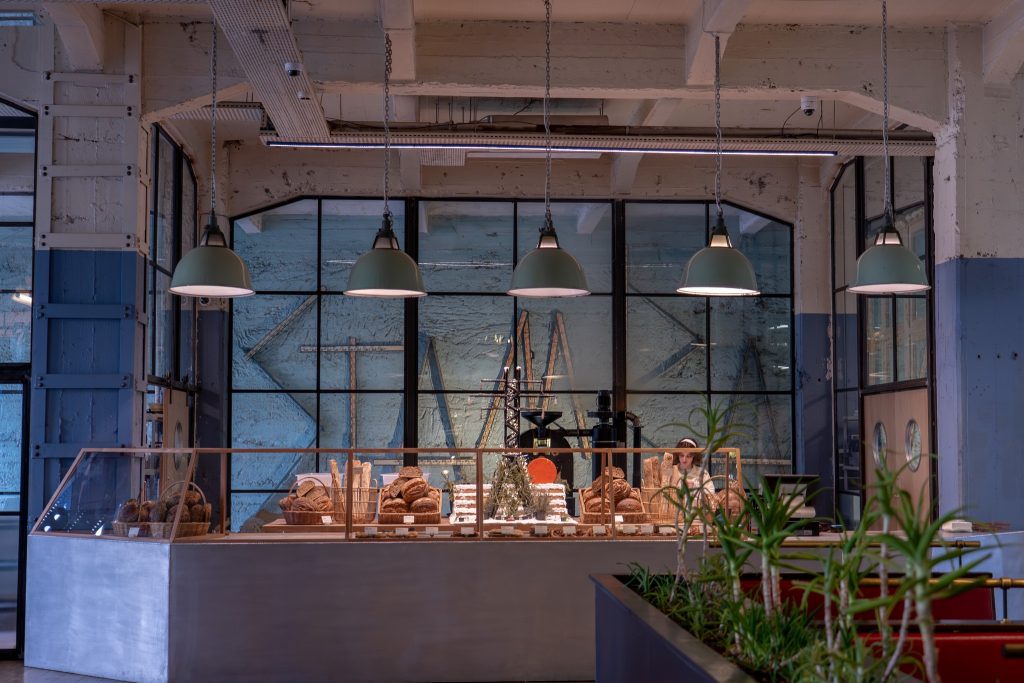
The Bakery is one of the latest additions to Stamba’s world, and perhaps one of the most elemental. Every morning, long before the city wakes up, the bakers at Stamba begin their day with the same labor, executing a quiet, meticulous choreography to construct something beautiful, yet temporary.
The lifecycle of the bakery begins long before the ovens are turned on. The grain here does not arrive in anonymous, uniform bags. It is pulled from the untamed soil of Udabno Regenerative Farm and a network of local growers, utilizing varieties chosen for character over yield. When that seasonal harvest reaches the city, it is milled in-house, bringing the raw unpredictability of the Georgian steppe indoors. The flour shifts with the weather, the humidity, and the character of the season.
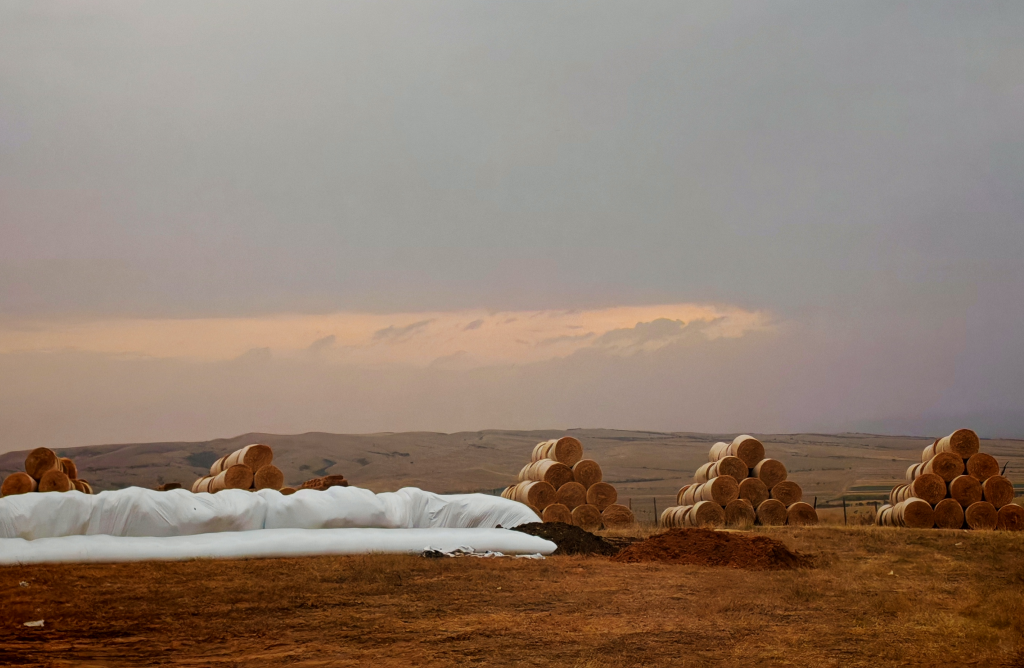
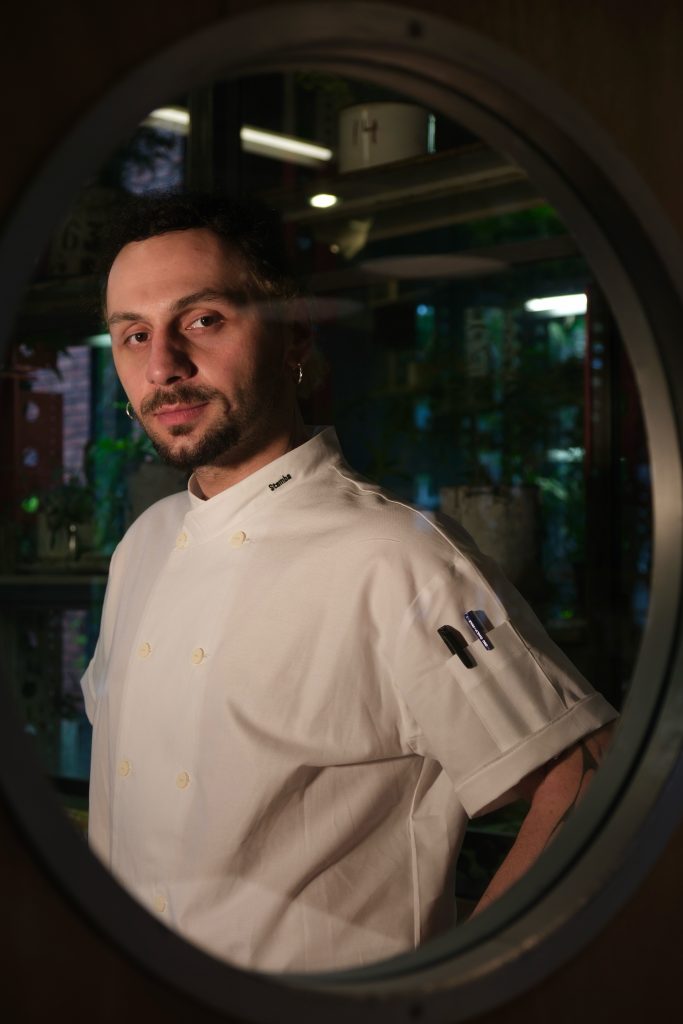
“When you mill your own grain, grow your own wild yeast, and control the temperature yourself, the limits just disappear. We can create the exact texture and flavor we want, simply because we don’t rely on commercial shortcuts at any step. It gives us a very real, hands-on kind of freedom.”
Levan Karseladze, Executive Chef at Stamba
This whole process – from sourcing and milling to fermentation and baking – moves within one connected ecosystem. It is what dough-making heritage of Georgia always stood upon: countless hands shaping food together with granular exactness, delivering a culmination of utmost care, ultimately unconditional, knowing it’ll soon vanish.
But then… Pastries occupy a strange, singular position in the culinary world. Besides the tasting factor, they are also objects of design. The daily counter of The Bakery operates as an edible exhibition: a deeply laminated croissant engineered over several days, the precise, hyper-seasonal composition of a fig-leaf cruffin, a hazelnut chocolate cookie built on high-percentage cacao and heavily roasted nuts, and praline made strictly in-house. Even the savory side leans into this structural approach, applying their mastery of wild yeast to two types of Roman-style pizzas.
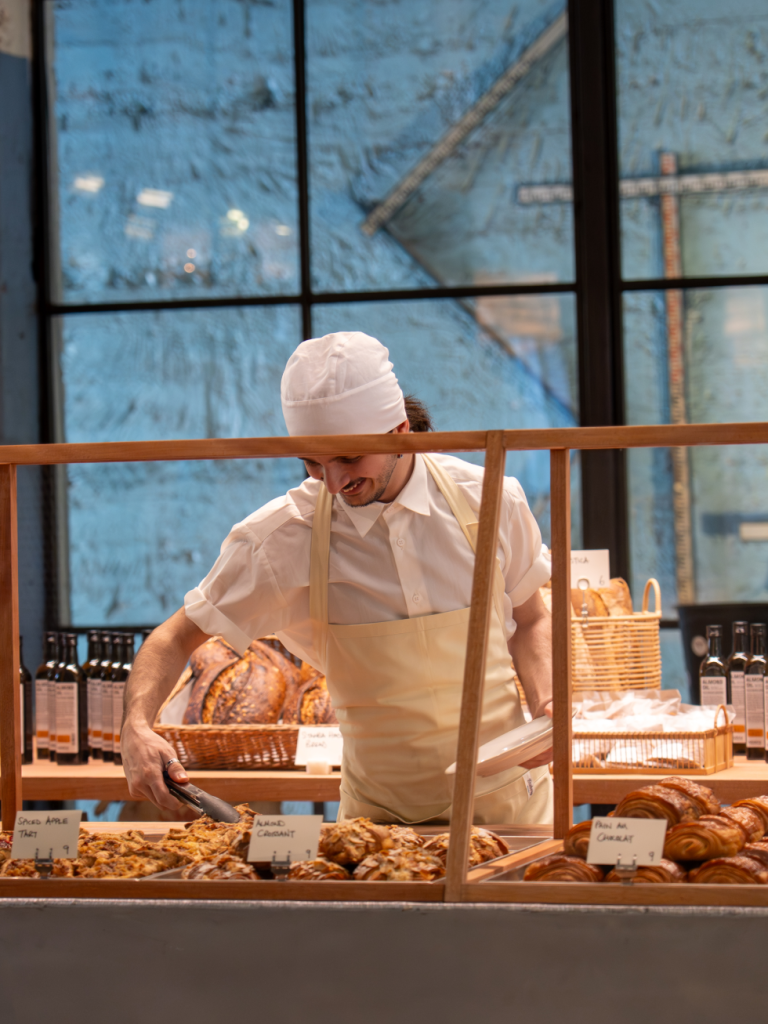
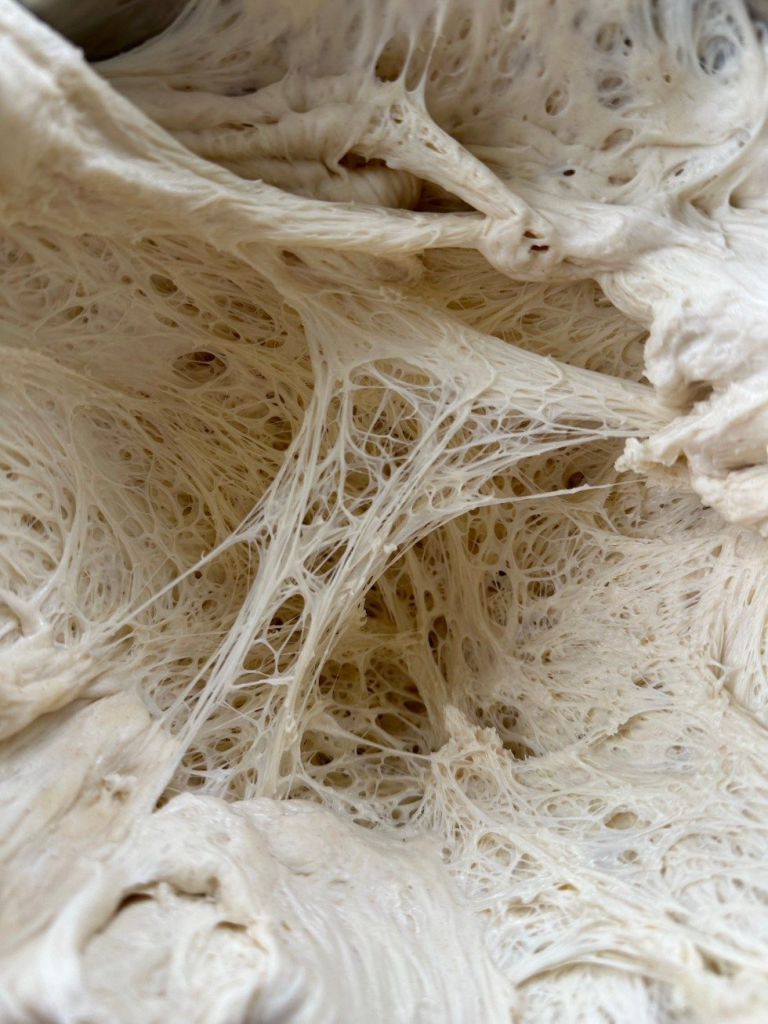
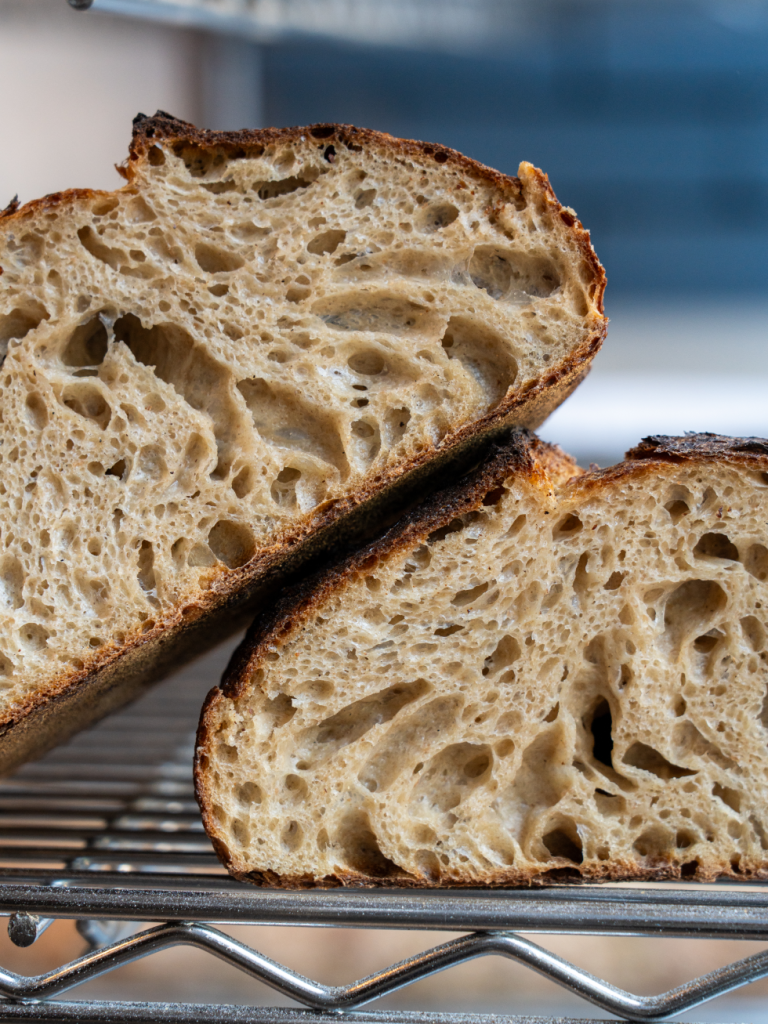
The only way to truly experience the careful architecture of a pastry is to shatter it; to create a forced intervention: break the bread and break the momentum of a hyper-optimized day. The absurdity of something so exquisite, so deliberate, existing only to be utterly ruined by someone for a moment of pleasure.
“There’s a small window where it’s perfect, the croissant is meant to be eaten warm, right then and there.”
The painters of the Dutch Golden Age understood the tension of the fleeting. Their still lifes rarely depicted a pristine loaf, instead torn breads, shattered crusts, and flakes of pastry resting casually beside various objects – signifying the passage of time.
Orchestrating this daily cycle of creation and ruin is Stamba’s Executive chef Levan Karseladze. Every day requires a new highly technical dialogue with the wild yeast, the freshly milled Udabno grain, the shifting seasonal ingredients, and the specific humidity of the morning. It is an exercise in letting go of absolute commercial control, allowing the dough and the immediate harvest to dictate the final structure before it hits the counter.
From 9 AM to 8 PM, The Bakery surrenders to the satisfying, relentless repetition. Come early. As it turns out, this is not the kind of thing that waits.